There’s a city once notorious as the most dangerous in the world...
But this isn’t a city of violence anymore—it’s a city of flowers, eternal spring, and year-round blooms. An overlooked corner of South America transformed and attracting international companies and mobile people.
I first walked its streets back in 2011 when the world still clung to its dark reputation, but on the ground I could see change was already in motion.
Tree-lined avenues. Open-air gyms. Squares filled with families. Trendy cafés buzzing with youthful energy. Incredible weather too—thanks to its spot 4,900 feet up in the Andes, close to the equator, with spring-like days all year.
I found good food, a warm welcome, and a vibrant atmosphere. And I found incredible overlooked opportunity. Yet back then, it was only expats on oil contracts and the odd English teacher who had discovered it.
What I saw was one of the greatest transformation stories of the past decade—Colombia’s once-overlooked city of Medellín.
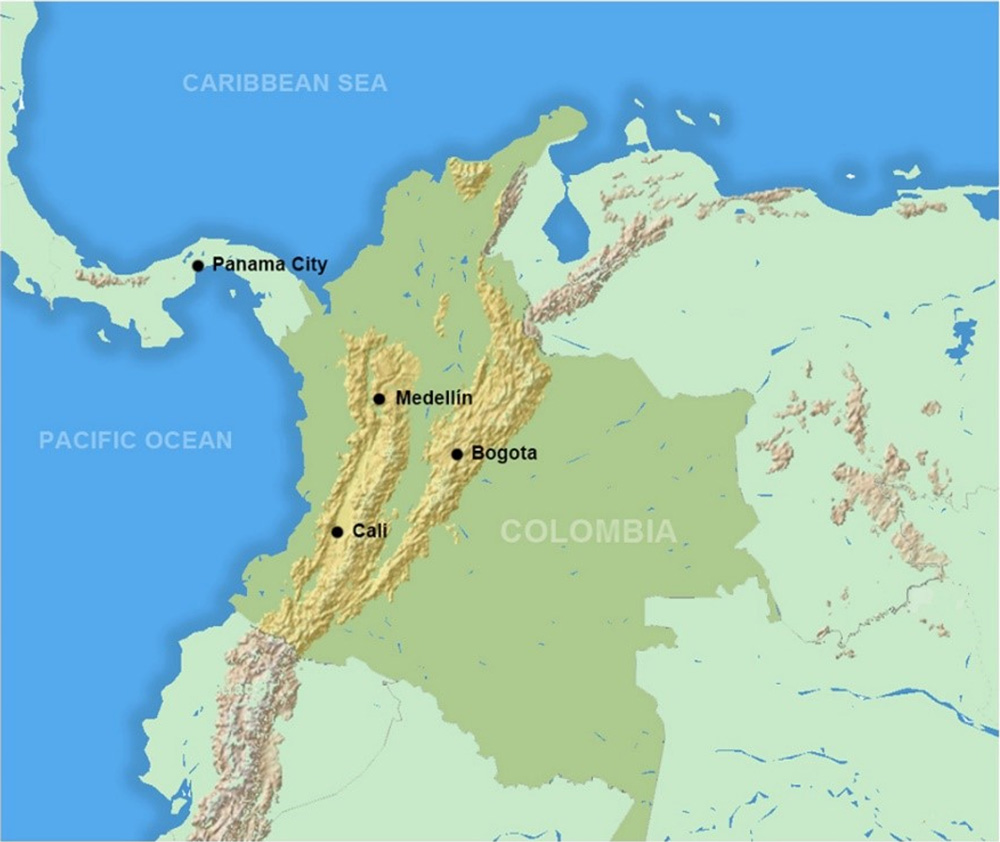
We’ve found some incredible opportunities. By being ahead of the crowds, having contacts on the ground, and acting fast, members of my Real Estate Trend Alert (RETA) group could have done incredibly well.
In 2011 I focused on the upscale neighborhood of El Poblado. Back then I recommended condos of around 1,000 square feet priced for under $100,000. Today, condos like these are selling for $250,000 and up. Plus you could have been earning a double-digit rental yield every year as values steadily rose…
In 2018, I recommended buying older homes in the Laureles neighborhood of Medellin. Homes bought for $150,000-$200,000 then would now cost around $450,000. (You could have bought a real asset that doubled in value in seven to 10 years while kicking off an additional 10% plus in income every year...)
In 2020, when the pandemic hit RETA members were alerted to a buying opportunity in El Poblado with condos going at the incredible price of between $80 and $100 per square foot.
We have deep contacts on the ground.
A member of my team lives in the city. Our COO has lived in Medellin since 2017—one of the mobile professionals who fell in love with the city and climate and made his home there. He’s my eyes on the ground. And his recent reports of the city’s evolution have got me excited about what’s happening there.
Because there are still opportunities if you know where to look, how to look, and how to act on it. And in this report, I’m going to tell you how…
I founded my Real Estate Trend Alert (RETA) club more than 18 years ago to bring together like-minded investors who recognize the incredible potential of overseas real estate…who understand that there’s always opportunity somewhere when you look everywhere. Since then, our group has grown into an unrivaled block.
At RETA we have the deep contacts, the knowledge, and the experience.
That’s how we discovered:
How you can position a furnished rental in certain neighborhoods to attract long-stay snowbirds and executives willing to pay $1,500–$2,000 per month.
Which penthouses can be transformed into co-living hubs that generate 14–15% gross yields.
Why an undervalued neighborhood is set to rise as Medellín’s metro expands and a $51 million mega park reshapes the area.
How affluent Colombians and foreigners are flocking to Colombia’s answer to Napa Valley.
But first…
I was in Medellín in 2011 when there were just a few eccentric oil workers and frontier oddballs knocking around…back then, the reputation of the city was totally out of date. This was a perfect-weather, cosmopolitan place and I saw the potential long before the mainstream.
But, oh boy, has the world caught up now…
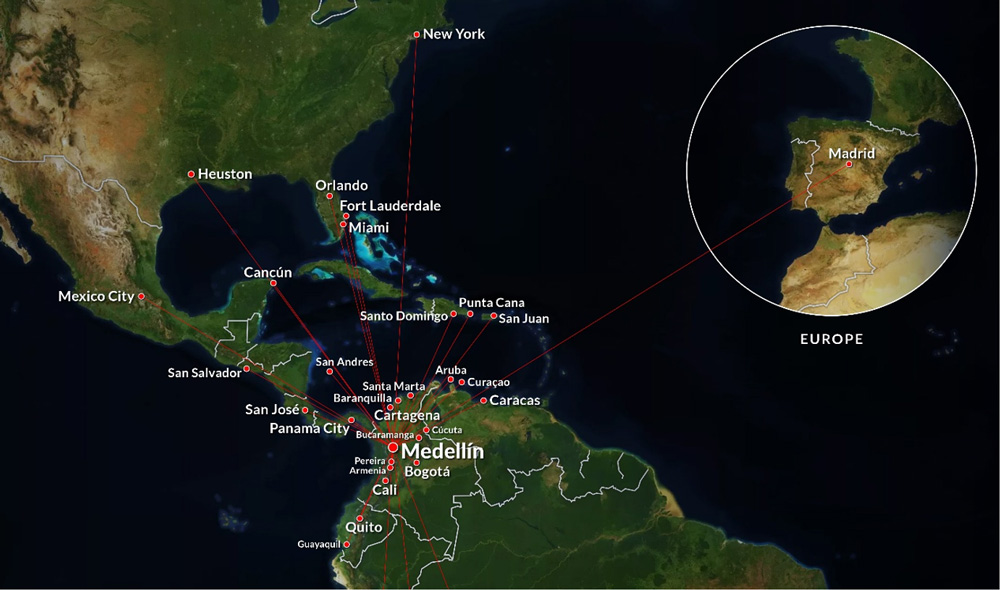
Medellín's international airport welcomed a record 2,059,183 international passengers in 2025, with foreign visitors now making up as much as 67% of hotel guests—up from just 53% in 2022, and confirming Medellín's continued rise as one of Colombia's top destinations for international travelers.
And people are coming here to live too.
It’s gone from the most dangerous city in the world to one of the most livable cities in Latin America.
Things have changed in Medellín.
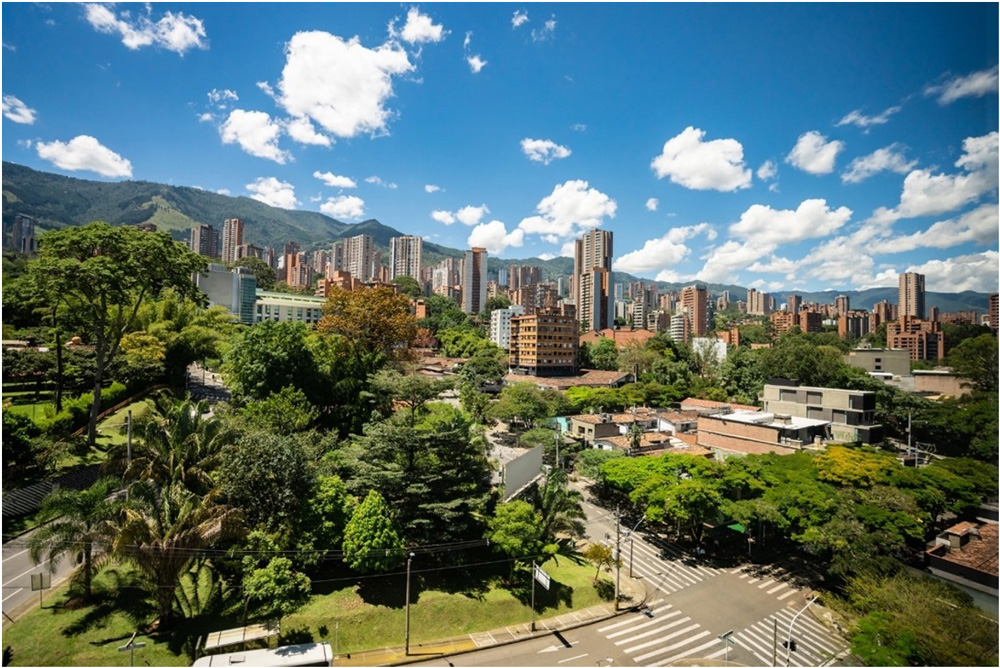
What’s happened in Medellín began around the turn of the century when the city launched a massive push to escape its troubled past.
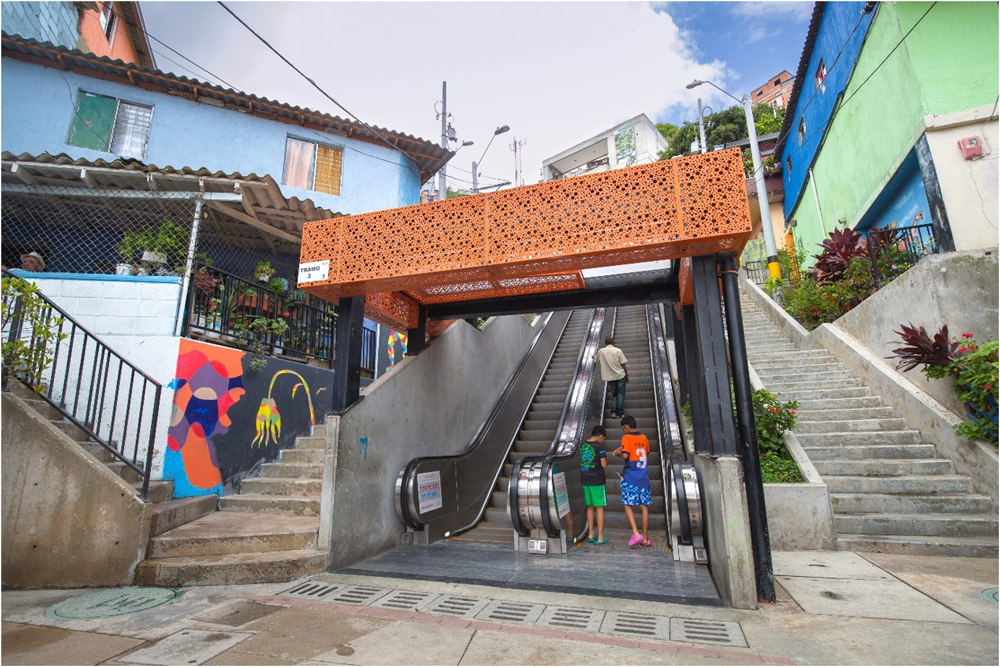
The Medellín Metro, inaugurated in 1995, was both a symbolic and practical catalyst for the city’s transformation.
Then came the public-transport cable cars, allowing people to get from the working-class hillsides to their jobs on the valley floor in 20 minutes.
Then the outdoor escalators. The libraries, the parks, the police reforms.
Today the city even has a Chief Resilience Officer…
Medellín reimagined itself. And real estate has followed.
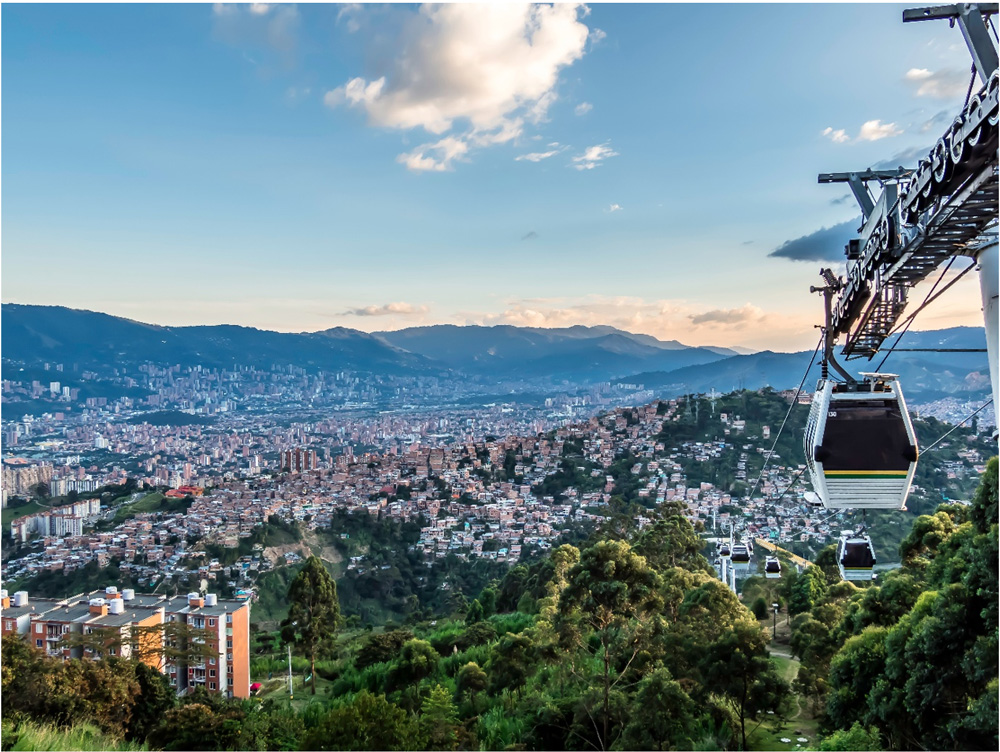
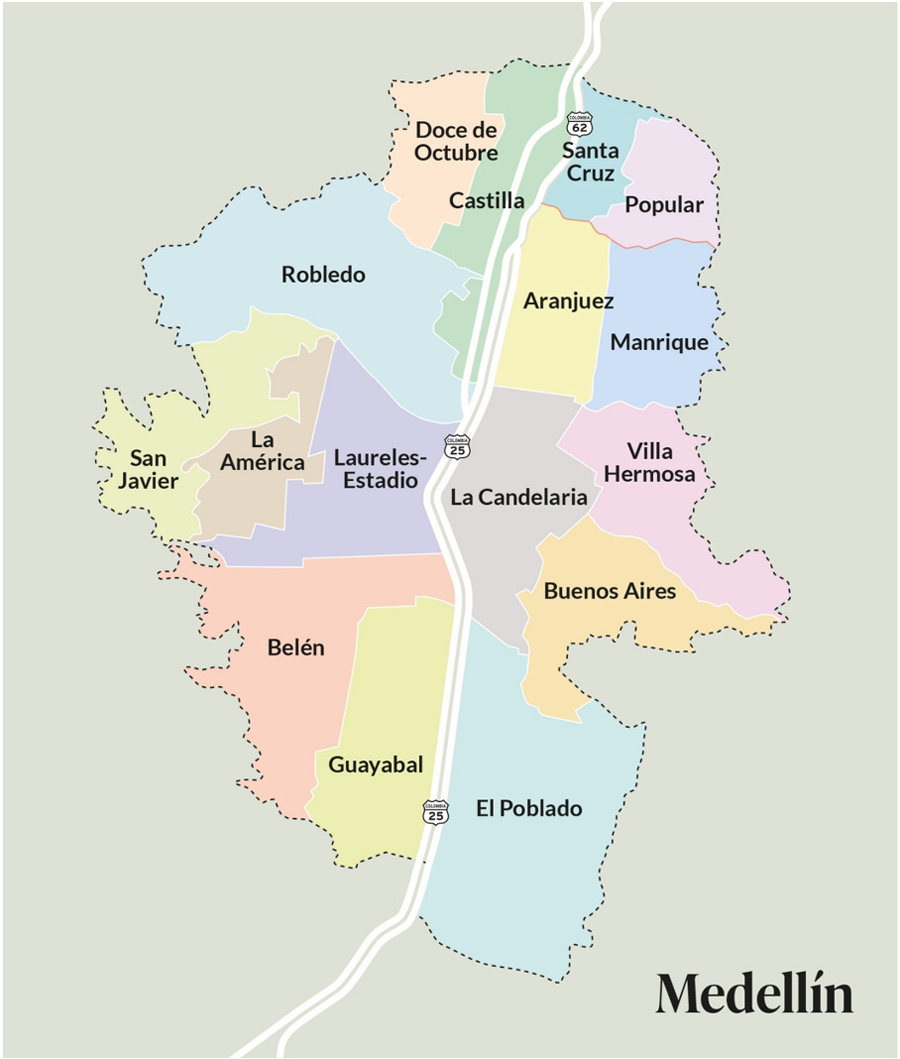
El Poblado, once just an affluent enclave, became the default choice for anyone with means. Laureles, with its tree-lined boulevards and mid-century bones, started attracting creatives, returnee Colombians, and younger expats. Provenza emerged as a boutique hospitality hub. Sabaneta, Envigado, and Belén began to swell with middle-class growth.
Today, the Medellín metro area is home to about 4 million people. Its tech and innovation districts are growing. Digital nomads are arriving in droves.
Medellín sits in the same mental bucket as Mexico City, Buenos Aires, Playa Del Carmen, and now Asuncion.
Over the past two decades, Colombia has experienced moderate but resilient economic growth, averaging around 3–4% annually, with particularly strong performance in the 2000s and early 2010s driven by commodity exports, improved security, and foreign investment.
Recent years have seen a slowdown: after a sharp post-pandemic rebound in 2021, growth decelerated due to inflation, high interest rates, and political uncertainty—dropping to just 0.8% in 2023, before recovering modestly to 1.5% in 2024 and 2.6% in 2025.
But the same is not true of Medellin. It has surpassed the national average for decades.
And on that point, it’s worth noting a regional peculiarity.
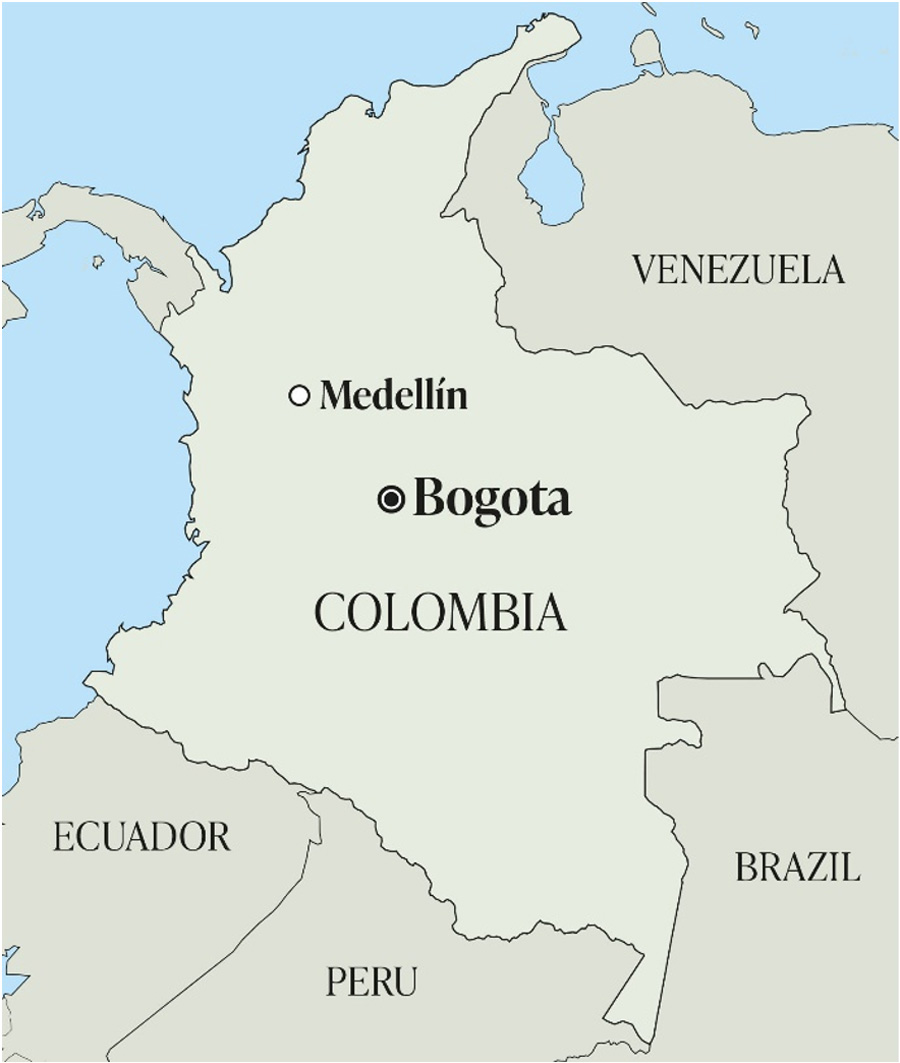
Medellín’s people have quite an independent mindset. They don’t much care about what’s happening in Bogotá or the rest of Colombia for that matter. They’re like their own nation. That makes me think of Medellín as a kind of Catalonia of South America. A distinct entity.
And this independent streak means that the government invests in the city, in local services, and in infrastructure projects like the metro. An intra-city “Path of Progress,” if you like.
Which means this mindset is positive for real estate…
What follows are four strategies I believe make sense in Medellín right now.
Furnished Rentals in Laureles and El Poblado
One of the most attractive current plays in Medellín is this: buy a well-located, furnished two- or three-bedroom apartment in areas like Laureles or El Poblado, and position it for monthly and long-term rental.
As I say, these are neighborhoods I’ve brought to the attention of RETA members before. They’re the sites of some spectacular opportunities.
With the new play on furnished two- or three-bedroom apartments, you’re targeting a very specific tenant: not the backpacking digital nomad on a budget, and not the long-term local. Think instead of snowbirds from North America, remote executives, entrepreneurs, and people of means who can afford comfort, style, and location—but don’t want the overhead of a high-end hotel or serviced apartment. They want space, amenities, and good walkability.
I anticipate this market being driven by a steady stream of Americans spending one to three months in Medellín. Folks who spend extended time here for lifestyle, weather, or business reasons and who can afford to spend a little more.
They don’t want budget rentals. They want security, good views, reliable high-speed internet, a smart layout, maybe a bit of indoor-outdoor flow, and a building that reflects their lifestyle expectations.
A balcony, a view, parking, and amenities like a gym or pool help clinch the deal.
These renters aren’t price-sensitive in the way tourists are. They’re looking for the right fit—and they’ll pay for it. That’s what makes this a compelling model.
The sweet spot for buying is around $200,000, and I wouldn’t go above $300,000. It would be challenging to make more than $20,000 a year in rental income. There’s typically more rental demand for properties renting from $1,500 to $2,000 per month.
Focus on units with at least two bedrooms, two baths, and strong natural light. Aim for locations close to proven rental demand corridors: around Provenza, in central El Poblado, or in the heart of Laureles near good cafés and walkable streets.
Let’s check out some listings—but first a side note on a Colombian peculiarity that could catch you out…
The Estrato System
In Colombia, every residential property is assigned an “estrato socioeconómico” or socioeconomic stratum, by the government. This classification system uses a six-point scale, ranging from Stratum 1 (the lowest socioeconomic level) to Stratum 6 (the highest socioeconomic level).
The estrato isn’t based on the income of the residents. Instead, it’s determined by the physical and urban characteristics of the property and its surrounding neighborhood—things like building materials, infrastructure quality, access to public services, and general appearance of the area.
The system was designed to help the government allocate subsidies for public utilities like water, electricity, and gas. For example:
Estrato 1–3 receive subsidies
Estrato 4 pays the base rate
Estrato 5–6 pay higher rates to help fund subsidies for lower strata
So, when a listing says “El apartamento, que pertenece a un estrato 5”, it means the property is located in a wealthier neighborhood.
Buyers see it as shorthand for social class, amenities, and safety—but also higher monthly utility bills compared to a similar property in a lower estrato.
Let’s look at some sample listings…
Note I’m sharing these as examples. Neither my team nor I has yet done any due diligence on them.
Also important to note that the Colombian peso has been strengthening quickly against the dollar lately, so prices have been rising in dollar terms.
In the El Poblado neighborhood this three-bed, three-bath apartment spans 950-square-feet and is on the market for COP $ 750.000.000 ($230,850). Situated in estrato four it has access to basketball courts, squash courts, a gym and a sauna. The apartment comes with a parking space.
Another example…
This three-bed, four-bath apartment spans 1,679 square feet and is on the market for COP 850,000,000 ($263,500). Situated in in estrato six it has access to basketball courts and expansive green areas. The apartment comes with two parking spaces.
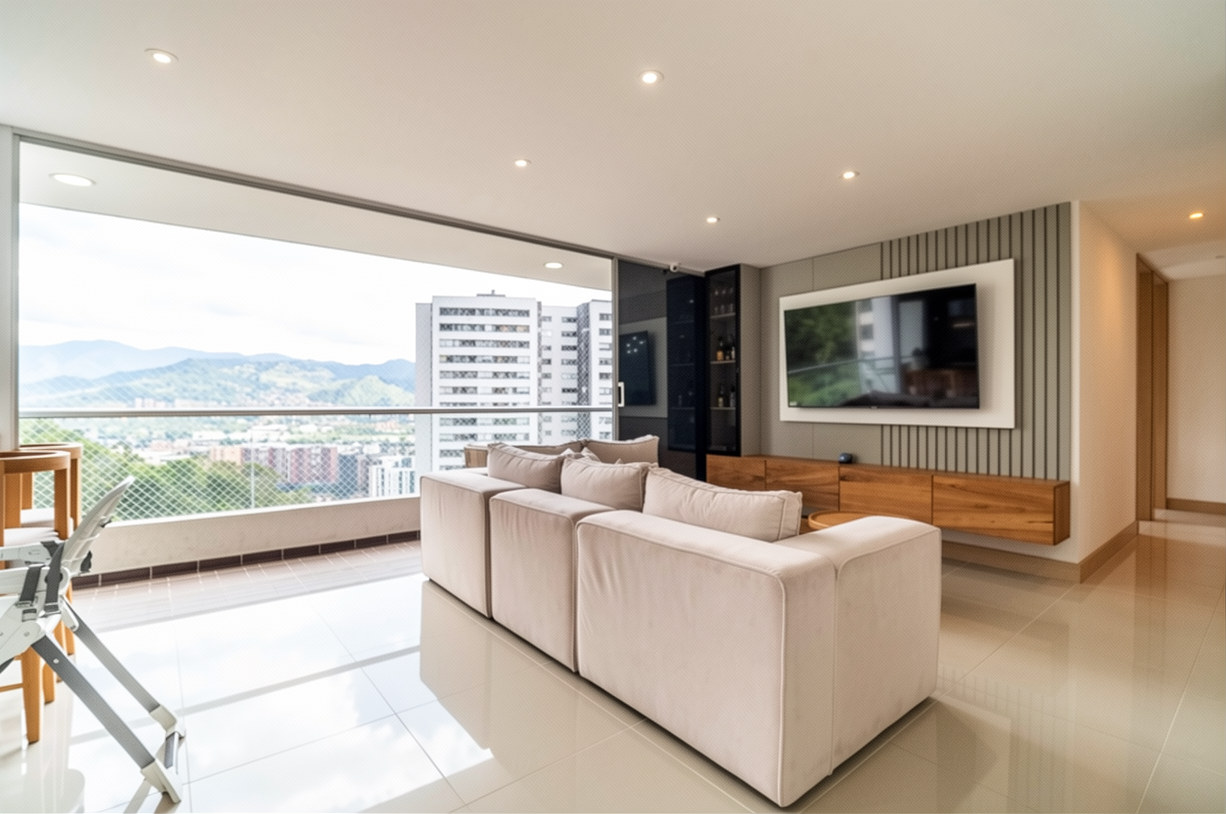
I’ve seen similar apartments renting long-term for between COP 5,020,760 per month and COP 6,028,000 per month (about $1,560 to $1,870). Let’s say you buy an apartment for $280,000 unfurnished. Furnish it and rent it out charging a premium of $1,800 to $2,500 per month, depending on the apartment.
The reason this play could work well is the durability of the renter profile. These aren’t weekend warriors or people booking via Airbnb for three nights.
They want stability, and many return year after year.
With the right building and right pricing, your marketing can become highly repeatable. You’ll likely need strong on-the-ground management and local partnerships—but the effort is well rewarded.
Infrastructure: Metro and Tunnels
Medellín’s celebrated metro already links Laureles and El Poblado, and plans are underway to extend a new north–south line right through Belén—an intra-city “Path of Progress” that will pull this area firmly into the premium orbit. (A “Path of Progress” is a term I use to describe anything that makes a place easier to get to, like new roads or airport, or more desirable, like a new 5-star resort.)
On the road east, the original Túnel de Oriente, inaugurated in 2019, was a game changer. It slashed the journey from Medellín’s city center to José María Córdova International Airport from more than an hour down to about 25 minutes, transforming access to Llanogrande, Rionegro, the upland fincas, and towns in “El oriente” (the Eastern region of Antioquia just outside Medellín city).
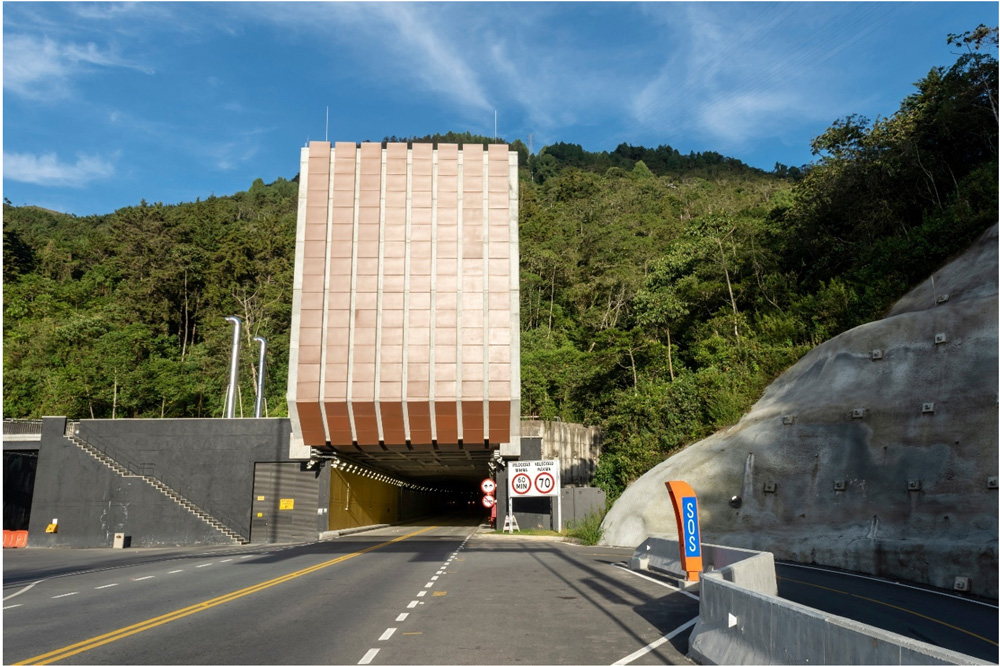
Now, a second parallel tunnel is under construction. Once complete, it will double capacity on this crucial artery, easing congestion and further cementing the high-altitude towns as an extension of Medellín’s premium lifestyle zones. Together, these infrastructure upgrades enhance connectivity and underpin long-term real estate demand.
Penthouses for Co-Living
I see another rising niche in Medellín’s evolving rental scene: high-yield penthouse apartments configured for co-living. This model revolves around targeting small groups of entrepreneurial expats—often crypto guys, early-stage digital business founders, YouTubers, podcasters, developers, and creatives.
Think 25 to 40-year-olds who want space, sunshine, city views, and the freedom to build their projects without being tied to office leases or landlord drama.
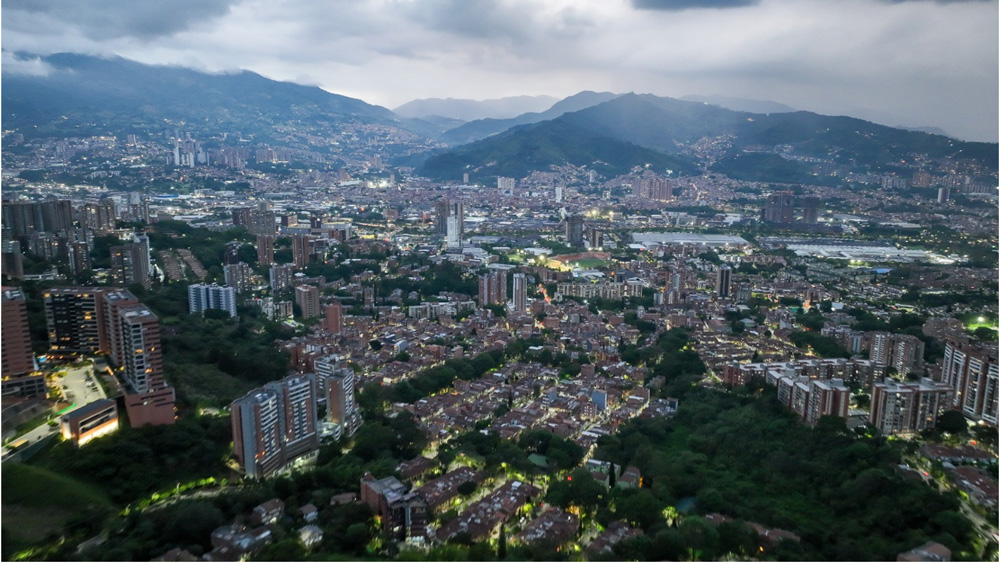
These tenants don’t necessarily want privacy or solitude. They want shared energy. A big terrace for a barbecue. A view. A hot tub. A co-working-style living room where laptops are still open at midnight.
El Poblado is the ideal zone for this type of setup. Its skyline is full of older penthouses with good bones, oversized terraces, high ceilings, and enormous upside. Many need renovation. But that’s the play.
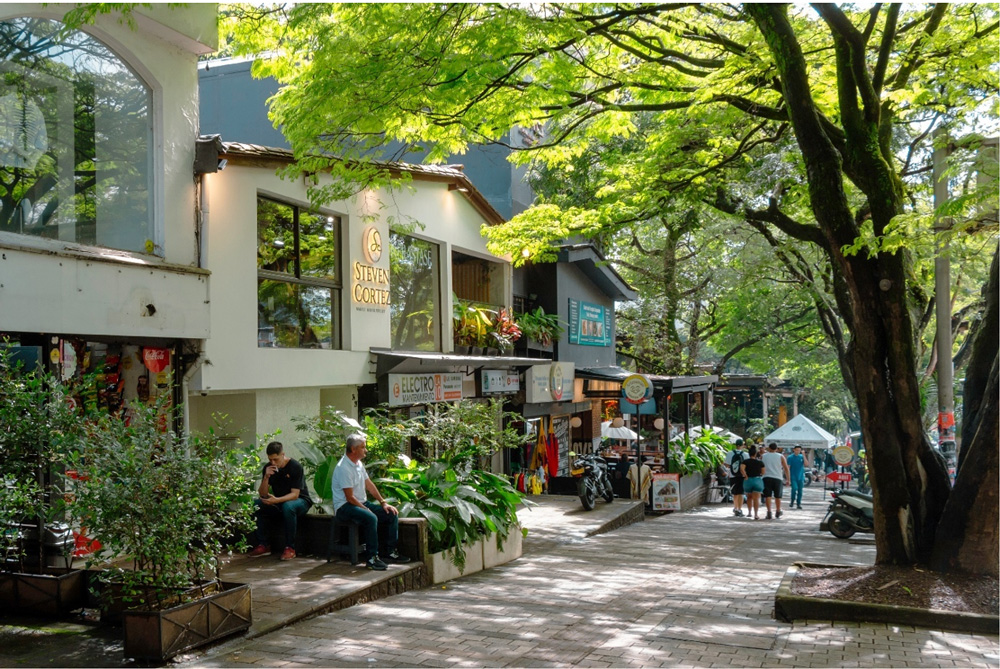
Find the right one, polish it, and configure it for co-living with four or five private bedrooms and plenty of communal space. This might work in Laureles too.
The model here is straightforward: aim for five rentable bedrooms, each capable of generating $800 per month. That’s $4,000 per month, or $48,000 annually. If you can find and renovate a property all-in for under $325,000—including refurbishment costs—you’re landing on a 14-15% gross yield with smart management.
Units that work best here have three things: space, outdoor flow, and wow factor. We’re talking about large terraces, views over the city, maybe a private jacuzzi, and a layout that supports interaction.
Separate bedrooms with good light and ventilation are key, but just as important are shared areas: a big kitchen, a lounge space, even a co-working nook. Throw in reliable Wi-Fi, a washing machine, a coffee station, and you’ve got a turn-key setup for the modern Medellín expat entrepreneur.
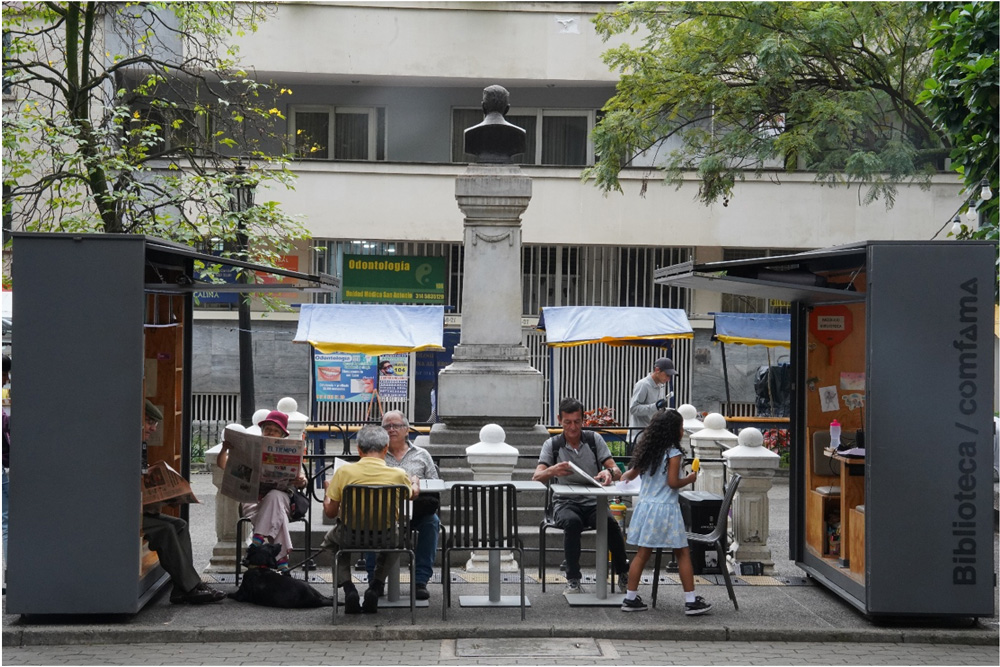
This market is far less price sensitive than the average tourist crowd. These are people building businesses, often earning in dollars or crypto. They’re not in Medellín because it’s cheap. They’re here because it’s a hub—a place where lifestyle and opportunity intersect.
That makes them sticky renters: people who will stay for three, six, even 12 months if the space is right.
You can find deals like this today in buildings from the early 2000s that haven’t been updated in years. The structure is good—concrete bones, big footprints, and excellent light—but they need a cosmetic refresh. Kitchens, floors, paint, furniture, layout.
The game here is finding a property just shy of the premium threshold, making the right renovations, and then turning it into an income-producing co-living hub that can compete with far more expensive hotels or furnished apartments.
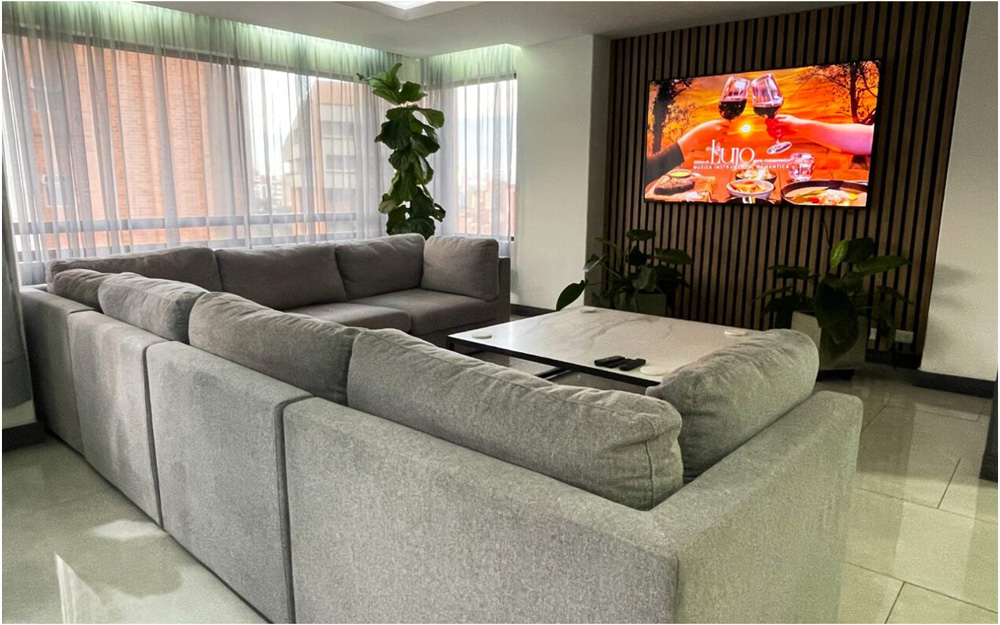
This turnkey five-bed, six-bath penthouse is perfect for this play. The apartment spans 2,820 square feet and was remodeled in 2021. It’s priced at $315,000 and comes with a 269-square-foot terrace.
The Case for Belén
Over the last decade, both El Poblado and Laureles have been transformed by a surge in commercial activity, tourism, and short-term rental development. What were once residential neighborhoods have become more commercial, more expensive, and more crowded.
In El Poblado especially, housing stock aimed at the local market has been steadily replaced by purpose-built Airbnb buildings, boutique hotels, and entertainment venues.
Restaurants, cafés, bars, and co-working spaces dominate the landscape.
Prices for both rentals and purchases have soared. The same process is happening in Laureles, albeit a bit later and a little less dramatically.
This transformation has created a spillover effect.
Locals—and even some expats—are being priced out or simply moving for quality-of-life reasons. Scarcity of housing, higher rents, noise, traffic, and the sheer influx of tourism have pushed people to look elsewhere.
In El Poblado, the pressure has driven buyers and renters south into Envigado, which in just a few years has seen astonishing price growth.
Back in 2020, you could find properties at 5 million COP per square meter. Today, those same units start at 11 million, and new builds are fetching 12 to 14 million COP per square meter. That’s a 150% increase in just five years.
The same pattern is beginning to play out near Laureles. And the neighborhood that stands to benefit most is Belén.
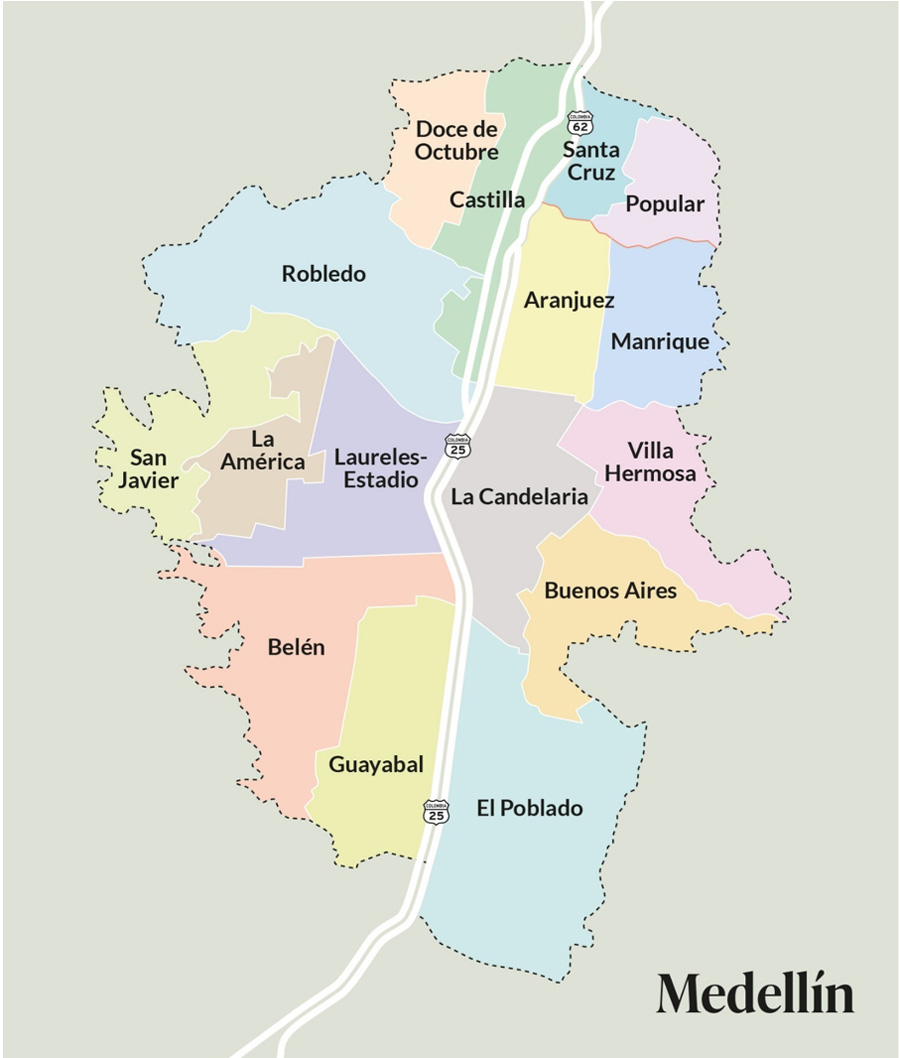
Sitting near Laureles and El Poblado, Belén is the largest comuna in Medellín, a patchwork of micro-neighborhoods ranging from very local to up-and-coming.
It shares many of the advantages that made Laureles appealing before its boom: it’s flat, leafy, walkable, with cycling paths and a residential feel.
Families are drawn to its access to schools and universities.
It’s central, with great transport links and close proximity to downtown, El Poblado, and Laureles. And like Laureles, it has excellent mall access—Arkadia, Los Molinos, and Unicentro serve as social hubs, just as malls do across Latin America.
Lifestyle Anchors: Malls
In Medellín, malls are far more than shopping—they are community hubs. El Tesoro and Santa Fe are prime examples.
Both are set high in El Poblado and combine international retail, restaurants, cinemas, gyms, and medical clinics with sweeping city views. They serve as gathering places, safe and modern, with strong appeal for both locals and expats.

Real estate near these lifestyle anchors typically commands a premium: buyers and renters value the convenience, security, and prestige of being minutes from world-class amenities. Proximity to these malls often signals that a neighborhood is in the “premium” bracket.
Most importantly, Belén is about to see a massive shot in the arm from public investment. The city is planning a development called Gran Parque de Medellin, a state-of-the-art sports and recreational hub.
It is due to feature urban beaches and an artificial sea the size of 10 Olympic swimming pools, as well as four actual swimming pools. And it’s not just a water park. Also in the plans are green spaces and routes for jogging and cycling. Read more on this project here.
The budget for this megaproject is over $51 million. Construction is underway and the project is expected to be completed in April 2027.
This could be transformative, anchoring Belén as not just a residential area but a lifestyle hub.
Add to that the planned metro expansion, which will run north to south right through Laureles and Belén into El Poblado, and you’ve got a recipe for convergence.
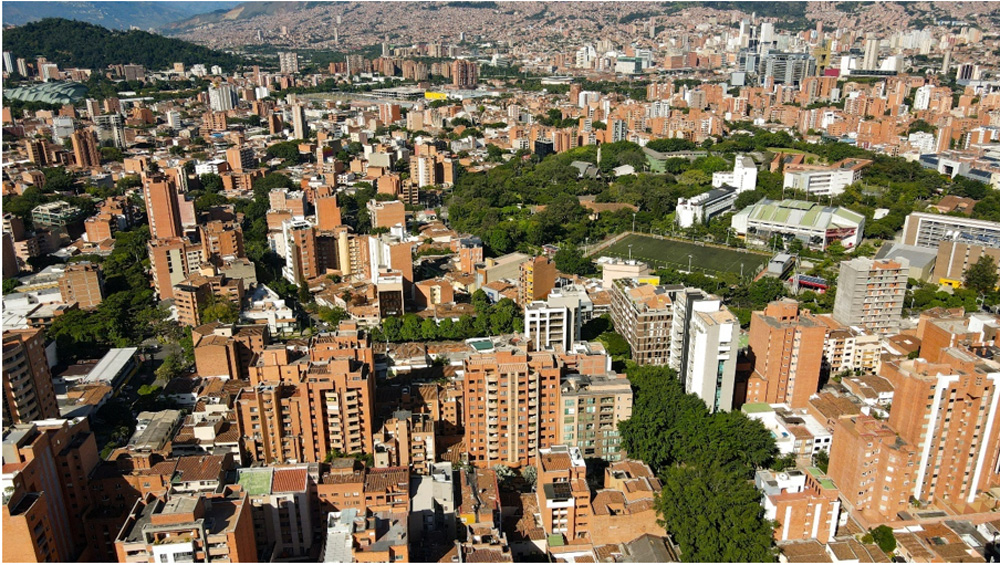
Check out this drone footage my team filmed of the Laureles neighborhood.
These three major neighborhoods, boxed in by geography, are set to meet in the middle.
That makes Belén a classic “buy and wait” play. Prices are still accessible compared to Laureles and El Poblado, but rising fast. As the two premium neighborhoods converge, Belén’s better micro-sectors will be pulled into their orbit.
It won’t happen overnight, and you need to be careful about where in Belén you buy—this is a big, mixed zone with both desirable and less desirable pockets.
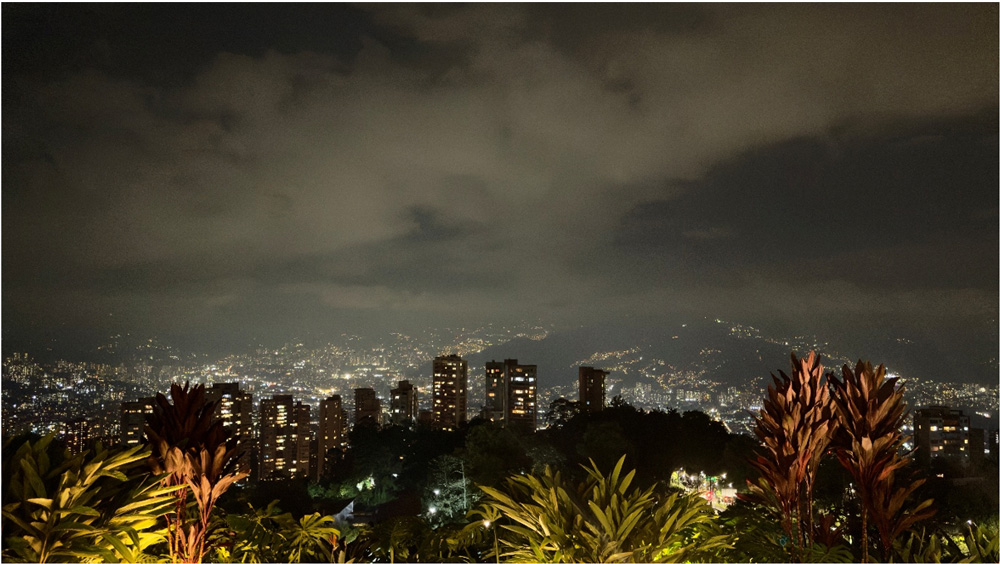
But the ingredients are all there: centrality, green space, malls, schools, infrastructure, and major planned investment.
Let’s look at some apartments on the market here.
This studio apartment in Medellín's Belén neighborhood spans 398-square-foot and is priced at COP 385,000,000 (about $118,500). It has an open-plan kitchen, air conditioning, a 24-hour doorman, smart locks, and elevator access. It's close to public transportation, with three metro stations (Línea 1 and Línea 2) within an 11 to 12-minute walk, plus several additional transport options nearby.
This two-bedroom, 624-square-foot apartment in estrato 4 is on a single level, priced at COP 480,000,000 (about $147,750). It has two bathrooms, a covered private parking space, and is in a gated complex with 24-hour security. Amenities include, a pool, a social lounge, a children's play area, and visitor parking. It's close to public transportation, with three metro stations (Línea 1 and Línea 2) within a 2 to 5-minute walk.
So, what could you do with apartments like these?
Similar two-bed apartments are currently renting long-term for between COP 2,700,000 per month and COP 3,200,000 per month (about $830 to $985).
And similar studio apartments are renting long-term for COP 2,300,000 per month (about $585)
Let's take the approximate midpoint of $908 for the two-beds. That would amount to gross annual income of $10,896 for a gross yield of around 7.4%
For the studio income in the range of around $8,590 seems reasonable for a gross yield or around 7.2%
Not a bad starting yield for an area that looks set to become more valuable.
Can I Let Short Term?
In Colombia, short-term rentals—typically defined as stays of less than 30 days—are considered tourist accommodations and are subject to specific legal and administrative requirements.
Importantly, if the property is located within a horizontal property regime (such as an apartment building or gated community), short-term rentals may be restricted by internal regulations.
(So basically while short-term rentals are permitted in Colombia, specific buildings may have rules against it.)
Under current law, daily rentals are generally allowed unless explicitly prohibited by a vote of at least 70% of the co-owners.
This means that not all buildings permit Airbnb-style rentals, and owners must verify the rules set by their building’s assembly before engaging in short-stay leasing.
Higher Altitude Living—El Retiro, La Ceja, and Llanogrande
There’s another shift under way in Medellín real estate that you need to understand. For years, people have been quietly leaving the valley floor and moving into the higher-altitude towns.
Since the pandemic, that movement has accelerated dramatically. It’s being driven by both push and pull factors.
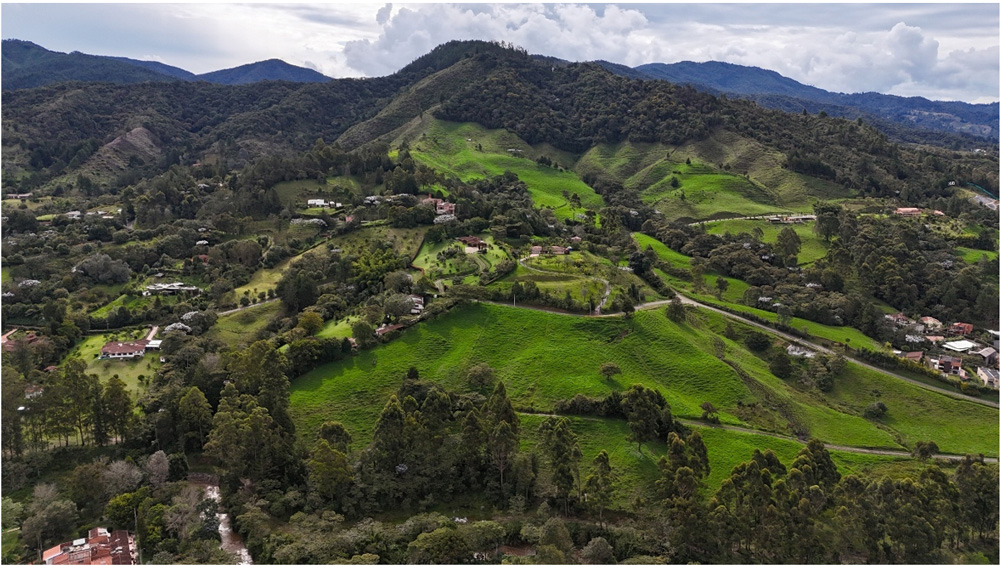
The push: Medellín has become too crowded, commercial, and expensive for some people. Traffic snarls. Tourism has exploded. Housing scarcity in the core neighborhoods is real. Many locals—and wealthier expats—want more space, less noise, and a break from the hustle.
The pull: cooler weather, stunning landscapes, larger lots, privacy, and the sense of retreat that comes with higher elevation. Add in proximity to Rionegro and the international airport, and the economic rationale becomes clear. Families can enjoy rural tranquility and still be just 30–40 minutes from the city and global connectivity.
The areas seeing the most growth are around El Retiro, La Ceja, and especially Llanogrande.
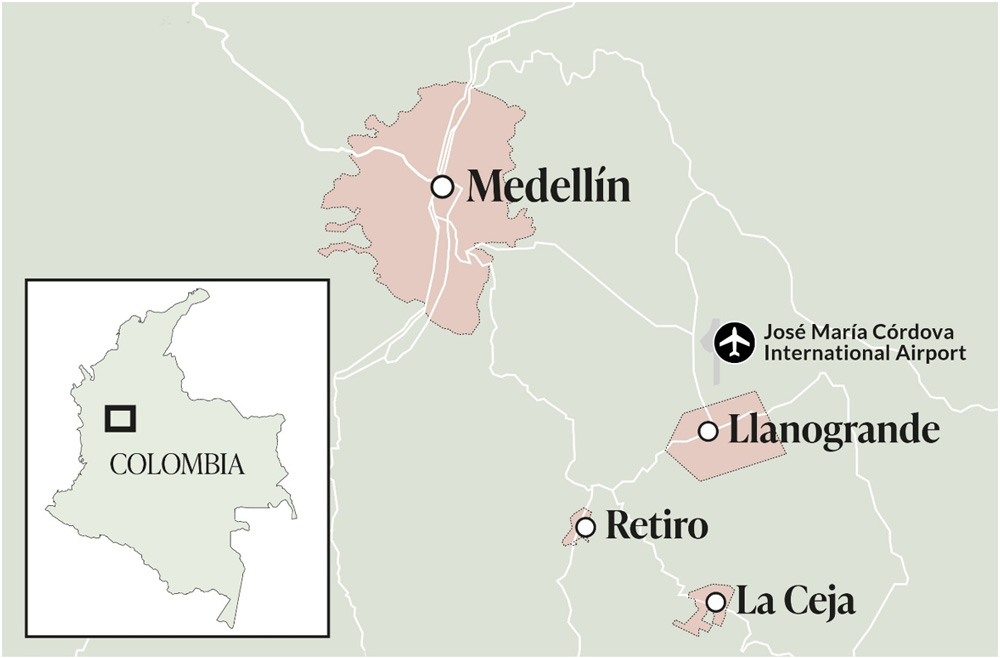
Make no mistake: these are not cheap outposts. In fact, some of the land here ranks among the most expensive in Colombia, on par with Cartagena’s historic center or affluent districts of Bogotá.
Affluent Colombians have been building second homes here for decades, and the architectural style is distinct—pitched roofs, generous terraces, fireplaces, and materials suited to cooler nights and mountain air.
High-Altitude Architecture
In places like El Retiro, La Ceja, and Llanogrande, you quickly notice that the houses look very different from the ones you find in the city.
The architecture here is shaped by climate, altitude, and culture. While Medellín itself is known as the city of eternal spring, with temperatures usually hovering between 70 and 77 degrees Fahrenheit, the upland towns are cooler, especially at night. That shift in temperature, combined with heavy rainfall, has given rise to a distinctive Antioquian style of homebuilding.
Roofs are steeply pitched and covered in terracotta tiles, designed not only to echo the region’s colonial heritage but to handle sudden downpours. Large overhangs protect walls and patios from the rain.
Almost every house at altitude has a fireplace or even two, a feature that is as much about lifestyle as it is about keeping warm when the temperature drops in the evenings. Materials lean heavily on exposed brick and stone, which both insulate and give a rustic, elegant look that is associated with country living in the Antioquia region.
Equally important are the outdoor spaces. Houses are built on large lots, often 1,500 to 2,000 square meters, which allows for sprawling terraces and gardens. Verandas with barbecues and jacuzzis are common, and the architecture is usually oriented to capture sweeping views across the valley or into the surrounding mountains.
Floor-to-ceiling windows and skylights are used to maximize natural light on cloudy days, while multi-level layouts adapt the houses to the sloping terrain. Landscaping becomes part of the design too—lawns, native trees, and ornamental gardens frame these homes in green.
The play in this zone is different from Laureles or Poblado.
Here you buy land in a gated residential community—typically lots of 1,500 to 2,000 square meters (about 16,000-21,000 square feet)—and custom build.
A lot will typically run you $200,000 or more, depending on the community. Construction costs start from $1,000 per square meter (about $93 per square foot) for mid-range quality upwards.
Spend more, and you get the kind of craftsmanship that matches the expectations of a high-net-worth buyer.
Popular communities include Senderos de San José, La Montaña, El Cortijo, and Reserva Fizebad. Some of the communities are still in pre-sale. Here’s a brief run-down:
Senderos de San José
This gated community outside El Retiro offers 48 leveled lots ready for building, typically between about 16,000 and 40,000 square feet. It’s 45 minutes from Medellín. Owners get mountain views, ecological trails, and a 150,000-square-foot nature reserve as part of the common area. Amenities include 24/7 security and club-style recreation. More details here.La Montaña
La Montaña is designed for altitude living with views and cool weather. Lots are from 13,000 to 48,000 square feet—with homes oriented to terraces and wooded surroundings filled with hiking trails. The focus is on integration with the landscape. It’s aimed at buyers who want a mountain retreat. Check out the website here.El Cortijo (Living Club, La Ceja)
El Cortijo offers lots starting at about 14,500 square feet. It sits near La Ceja. Communal green areas and amenities are included, making it feel more like a private country club. More here.Reserva Fizebad
Reserva Fizebad is an upscale community offering 28 lots located on 96 acres of land criss-crossed by streams and with 17 acres of native forest. The lots are from 107,000 square feet and boast views of the natural surroundings. Buyers here are after the finca lifestyle in a refined setting, just far enough from Medellín (30 minutes) to feel like a retreat. You can read more here.
These are the kinds of places where higher income Colombians and an increasing number of foreigners are building family retreats and larger homes. Each comes with its own amenities: gated security, landscaping, clubhouses, equestrian facilities, lakes, and jogging trails.
You can take an aerial tour of the El Retiro area in this video I found on YouTube:
This magical tour through the air of El Retiro covers almost the entire municipality and offers unparalleled views of this beautiful area.
This is not necessarily where you find “deals.” But the trend is undeniable. Interest from foreigners is rising, and the supply of prime lots is limited.
The pandemic reminded people of the value of space and fresh air, and this region delivers both in spades.
Guatapé: Weekend Retreat
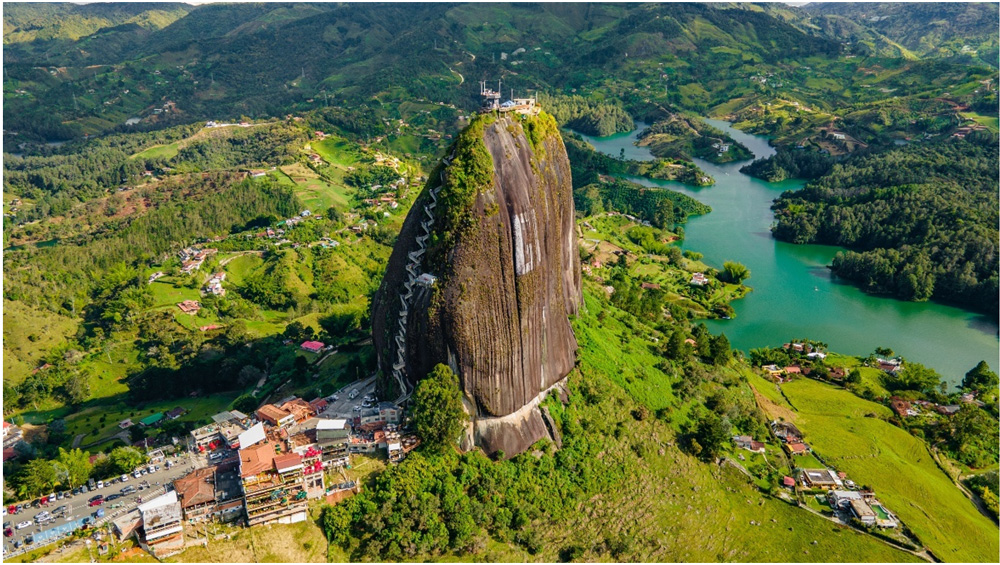
Just two hours from Medellín lies Guatapé, a colorful lakeside town famous for its zócalos—brightly painted bas-reliefs that decorate every house—and for El Peñol, the giant granite rock that rises 650 feet above the reservoir.
Wealthy paisas (locals from Antioquia) and expats alike flock here for weekends on the water, boating, jet-skiing, or relaxing in hillside fincas with panoramic lake views.
This is an international place now. And the big hotel brands are getting in on the action…
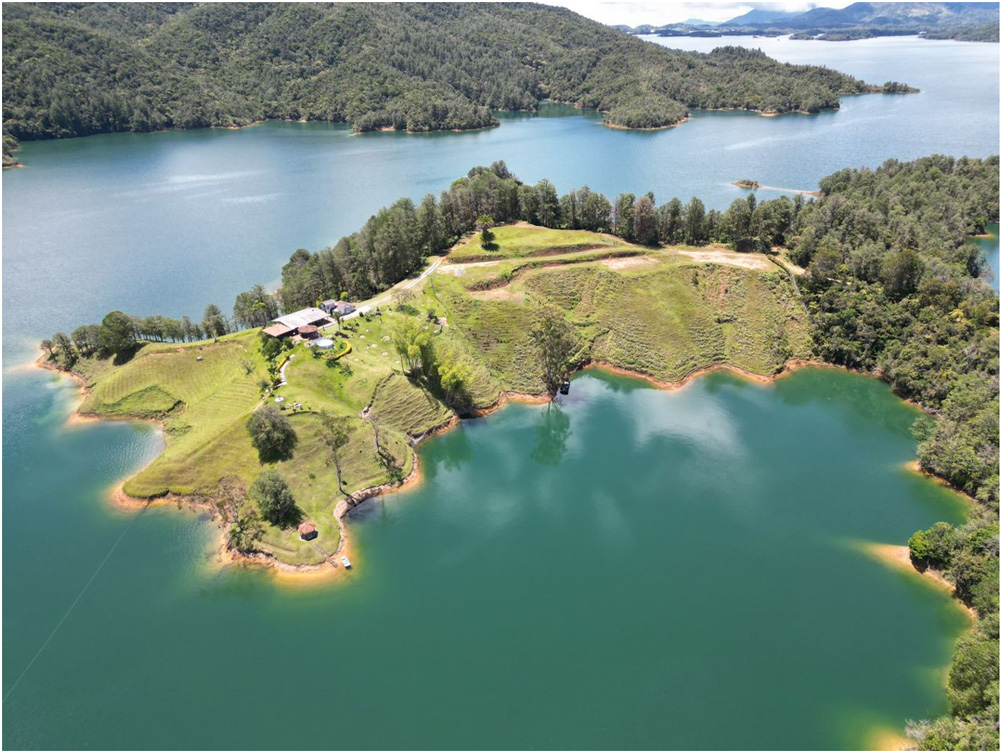
Hilton is developing the Cabo Hotel Guatapé – El Peñol, Curio Collection by Hilton, a boutique resort on a 4.2-hectare peninsula overlooking the El Peñol–Guatapé reservoir.
Backed by an $18 million investment and slated to open in 2027, it will feature 90 suites with reservoir views, six luxury villas with rooftop decks and jacuzzis, plus amenities including a restaurant, café, spa, gym, event space, trails, and a waterfront area for boating and water sports.
The Guatapé/El Peñol reservoir region is already a major tourist destination in Antioquia; in 2024 it had about 3.7 million visitors.
Demand for second homes and vacation rentals is strong, and Guatapé has become a favored bolt-hole destination for Medellín’s growing professional class. Proximity makes it a natural lifestyle extension of the city.
Guatapé is also popular for glamping. In fact, it’s one of Colombia’s top destinations for nature-based luxury stays.
Over the coming years, I expect more international buyers to treat El Retiro, La Ceja, and Llanogrande as Colombia’s answer to Napa Valley or the Lake District.
The opportunity, if you choose to play here, is to secure land in a top-tier community and build to spec—either for personal use, resale, or as a long-term luxury rental catering to affluent expats and Colombians alike.
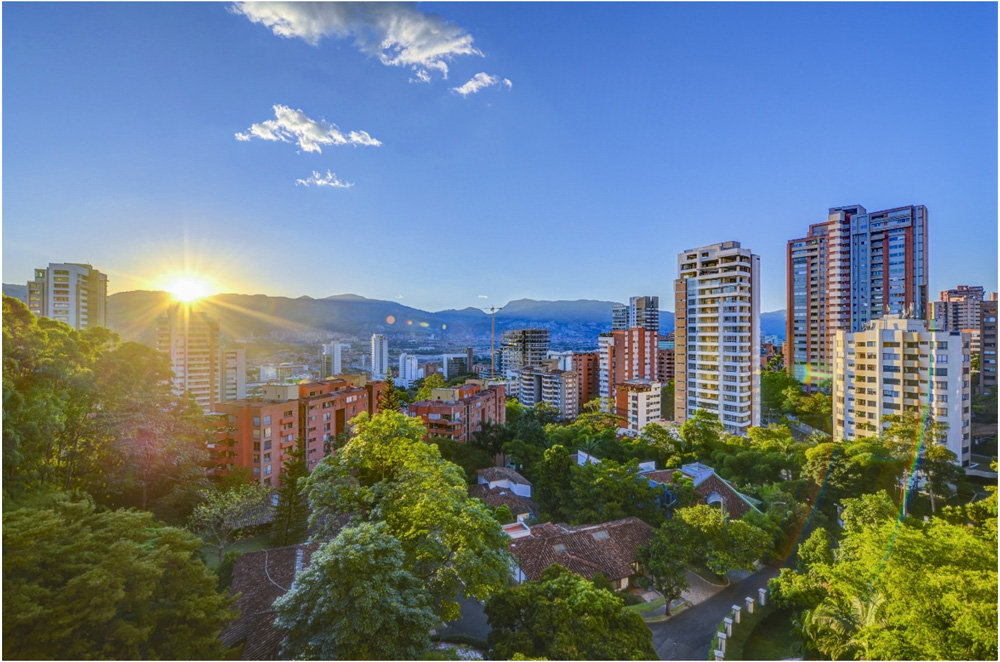
Medellín is an intriguing market. The transformation over the last two decades has been remarkable, and the investment stories unfolding today are compelling. But it’s also a market that requires care.
This isn’t a slam-dunk market where everything rises. It’s a place with opportunity for the right investor, but also pitfalls for the unwary.
Medellín is a place I will keep a close eye on. The trends are all in motion—urban renewal, expansion of premium zones, spillover into new neighborhoods, and the emergence of high-altitude retreats.
What Is Real Estate Trend Alert?
My name is Ronan McMahon. I’m an international real estate scout. My team of researchers and analysts and I spend a small fortune on research and travel as we search out the best real estate opportunities in some of the most appealing locations around the world.
Often, what we find and the deals we make pay off with potential investment opportunities that I share with members of my Real Estate Trend Alert (RETA) group (learn more about RETA here).
For years I searched for a group like RETA. I wanted to join like-minded folks eager to pool our buying power and share in the best real estate deals around the world. I searched in vain. For there was no such group. So, in 2008 I founded my own.
To be a RETA member is to be first on the very best real estate deals in the world. First to get wind of a big transformation, a big trend or major Path of Progress event, first to get in on the ground floor of that transformation...first to get in on a best-in-class real estate at off-market prices. (A Path of Progress is anything that improves the accessibility of a piece of real estate or makes it more desirable, say infrastructure like roads, bridges, or airports, or a 5-star resort in a place that previously only had hostels and budget hotels.)
The core strength of RETA is our group buying power. It’s by acting in unison with like-minded investors—fellow RETA members—that we get the incredible deals that we do.
Alone, I can’t bring much to the table when I negotiate with developers besides my charm. I might not even get into their office. With RETA members at my back though, I can bow developers to our will, craft insanely good terms and prices, and leave everyone a winner.
Over the years, RETA has developed a heavy-hitting reputation in the right circles. Our group buying power is highly respected and sought after. It’s how we get deals no one else gets, deals that even the most informed local real estate insiders can’t believe. And RETA members will continue to access our pipeline of incredible off-market deals from the world’s most desirable locations.
$118,200 More in Costa Rica—In March 2024, I was able to bring RETA members an off-market deal in Playa Flamingo on Costa Rica’s “Gold Coast.” This was our chance to own incredible luxury homes a short walk to two beaches and the brand-new marina that anchors the town. I bought alongside members in this deal. In April 2026, a three-bed home that RETA members could buy for an off-market price of $386,800 was listing retail for $505,000…that’s $118,200 more.
Uplift of $392,844 in Cabo—In 2015 I brought RETA members our first-ever Cabo deal. These were two-bed ocean-view condos from $336,156 in the Copala community in the 5-star Quivira resort. I bought one alongside RETA members and now spend time here most winters. By May 2025, the same type of condo a floor above mine was listing for $729,000—an uplift of $392,844 from the original RETA price.
€274,000 more in Portugal—In August 2021, I brought our group a deal in the Dona Maria community overlooking the marina in Lagos. This is one of the premier communities in downtown Lagos. RETA members could own two-bed condos from €575,000. A two-bed condo there has since listed for €849,000. That’s €274,000 more. One RETA member purchased a penthouse in Dona Maria for €1.1 million. In 2026 one sold for €1.75 million.
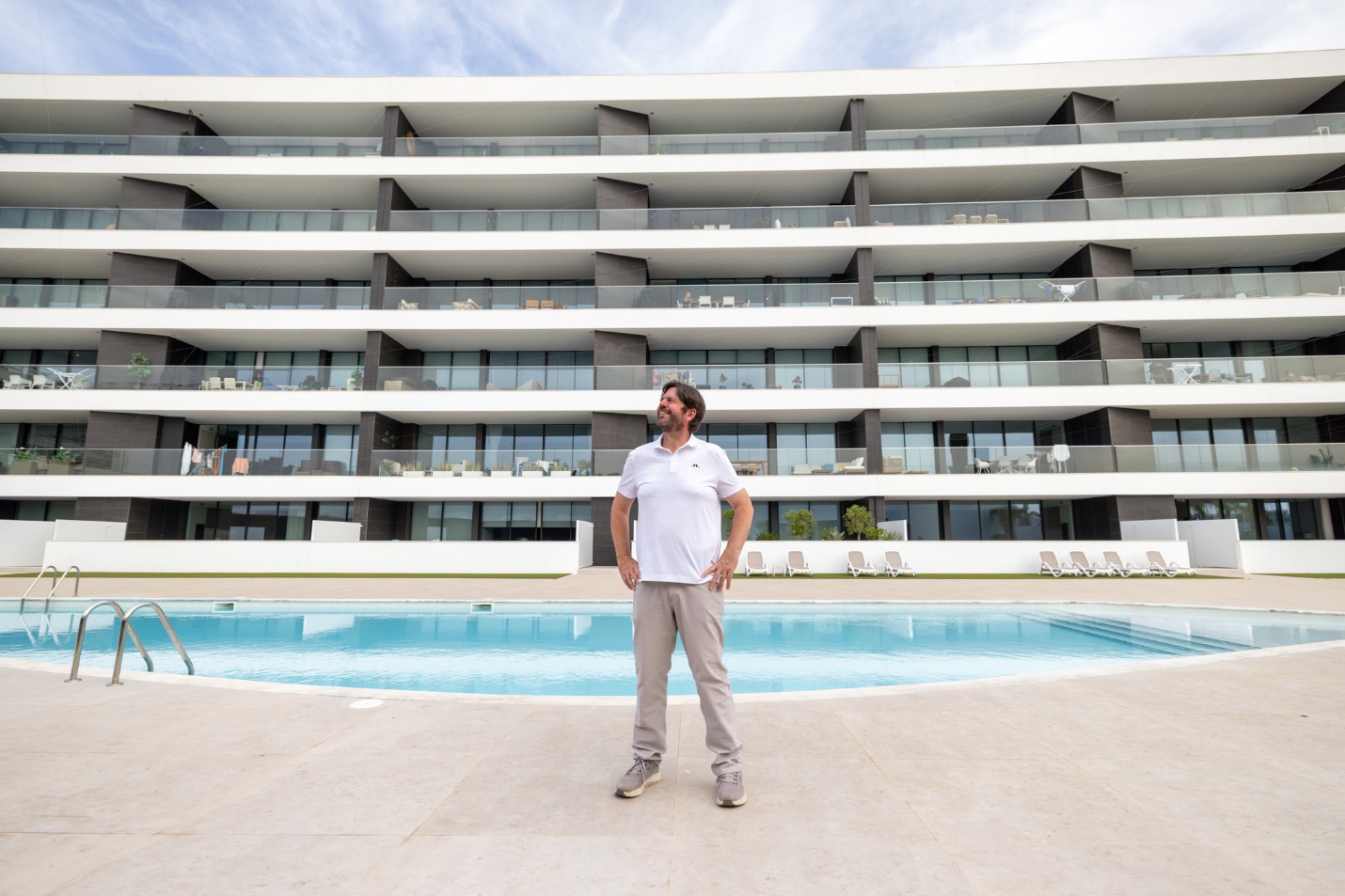
Nobody I know does the kind of travel and first-hand research my team and I do.
Nobody I know has our contacts and ability to negotiate such incredible, off-market deals for members.
And nobody I know has RETA’s track record of being ahead as destinations experience major transformations.
Members of Real Estate Trend Alert are the only people who get all my research reports… the inside scoop and contact information for some of the top experts in real estate…and the hottest off-market opportunities from around the world.